
Blog
19 Ways to Respect Yourself and Cultivate Inner Worth
Discover 20 practical ways to build self-respect, set boundaries, and prioritize your well-being. Learn how to honor your value and live a more fulfilling life.

You give your time and energy to everyone else, then wonder why you feel invisible. Self-respect means recognizing your own worth and letting that recognition guide how you treat yourself, from the boundaries you set to the way you speak to yourself. It’s not arrogance; it’s honoring your inherent value.
This article covers 19 practical ways to build self-respect, plus common missteps and when to seek professional support. Each tip is something you can start today, whether it’s saying no without guilt or keeping a small promise to yourself.

Courtesy of: impressionsvanity.com
Key Takeaways
- Set clear boundaries and stick to them even when it feels uncomfortable.
- Prioritize self-care basics like 7-9 hours of sleep and regular movement.
- Honor commitments to yourself starting with one tiny daily goal.
- Challenge negative self-talk by writing down evidence that contradicts it.
- Limit comparison to others and redirect attention to your own growth.
What Does Self-Respect Truly Mean?
Self-respect means recognizing your own worth and dignity, then letting that recognition guide how you treat yourself daily. It shows up in the boundaries you set, the choices you make, and the way you speak to yourself. It’s different from self-esteem, which is your overall opinion of yourself, and self-confidence, which is your belief in your abilities. Self-respect is the foundation that supports both.
1. Set Clear Boundaries

Photo credit: psychology.com
Boundaries are the lines you draw around what you will and will not accept. Start by identifying what feels comfortable and what doesn’t in your relationships, work, and daily interactions. Then communicate those limits clearly and stick to them, even when it’s uncomfortable.
- Be specific: Instead of “I need space,” say “I can’t talk after 9 p.m.”
- Be consistent: Enforce the boundary every time, not just when it’s easy.
- Expect pushback: Some people may test your limits. That doesn’t mean your boundary is wrong.
Every time you uphold a boundary, you send a message to yourself and others that your comfort and values matter.
2. Prioritize Self-Care

Image credit: conceiveplus.ae
Self-care is not a luxury. It’s a direct statement to yourself that you are worth the time and effort. Focus on the basics that support your physical, mental, and emotional health.
- Sleep: Aim for 7-9 hours and a consistent bedtime routine.
- Movement: Choose an activity you enjoy, even if it’s just a 15-minute walk.
- Nourishment: Eat regular meals that include protein, vegetables, and whole grains.
- Rest: Schedule downtime for relaxation, reading, or doing nothing.
When you prioritize these actions, you reinforce the belief that your well-being matters.
3. Honor Your Commitments to Yourself
When you make a promise to yourself, whether it’s a small daily goal or a long-term plan, following through builds internal trust. Each kept commitment tells your brain that you are reliable and that your word to yourself counts.
My tip: Start with one tiny promise each day, like drinking a glass of water first thing in the morning or spending five minutes stretching. Keep it achievable so you can experience success. Over time, those small wins create momentum for bigger goals.
4. Practice Self-Compassion

Source: oneop.org
When you mess up, notice how you talk to yourself. Most people default to harsh criticism, but that inner berating only deepens the wound. Instead, pause and ask what you would say to a close friend in the same situation. Then say that to yourself.
Self-compassion means acknowledging your imperfections without letting them define you. It is not about letting yourself off the hook. It is about recognizing that mistakes are part of being human and that you can learn from them without self-punishment.
- Name the mistake factually, without judgment words like “stupid” or “lazy.”
- Remind yourself that everyone struggles sometimes.
- Redirect your energy toward what you can do differently next time.
Research shows that people who practice self-compassion bounce back faster from setbacks and feel more motivated to improve. That is why it is a cornerstone of self-respect, especially on the days when things go sideways.
5. Challenge Negative Self-Talk
Catch the critical voice in your head and question whether it is telling the truth. Thoughts like “I always fail” or “I am not good enough” are often exaggerated and rarely factual. Write them down, then look for evidence that contradicts them.
Replace those thoughts with balanced statements. Instead of “I ruined everything,” try “I made a mistake, and I can fix it.” The goal is not toxic positivity. It is accuracy.
My tip: Ask yourself, “Would I say this to someone I love?” If the answer is no, rephrase it with the same kindness you would offer a friend. Over time, this reframing becomes automatic and your inner dialogue shifts from critic to coach.
6. Cultivate Supportive Relationships

Via pro.gofundme.com
Your social circle shapes how you see yourself more than you might realize. Spend time with people who listen, encourage, and respect your boundaries. These relationships reinforce your worth because they treat you as someone who matters.
On the flip side, distance yourself from people who consistently dismiss your feelings, break your trust, or make you feel small. You do not need to announce the exit. Slowly reduce contact and prioritize your own peace.
Evaluate your current relationships with a simple question: do you feel more energized or drained after spending time with someone? Let that answer guide where you invest your energy. A supportive environment makes self-respect feel natural rather than forced.
7. Take Responsibility for Your Choices
Owning your choices, especially the ones that did not turn out well, is uncomfortable but necessary. When you blame circumstances or other people, you give away your power to change. Taking responsibility puts the reins back in your hands.
Start by acknowledging your role without spiraling into shame. Say to yourself, “I chose this, and I can choose differently next time.” That simple shift from victim to agent builds integrity and shows you trust your own capacity to grow.
- Name what you did without excuses.
- Identify what you would do differently.
- Make a concrete plan for the next similar situation.
Responsibility is not about perfection. It is about showing up as someone who can learn, adjust, and move forward with dignity.
8. Align Actions with Your Values

Courtesy of: penzu.com
Your values are the non-negotiables that define who you are at your core. Take 10 minutes to write down the five principles that matter most, like honesty, kindness, creativity, or justice. Then look at your calendar and recent choices. Are your actions lining up with those words, or drifting away?
When you notice a mismatch, adjust the smaller decisions first. If creativity is a value but you haven’t picked up a sketchbook in months, schedule 20 minutes this week. If honesty matters, practice saying a difficult truth in a gentle way. Each aligned choice reinforces your sense of purpose.
Living authentically means your outer life matches your inner compass. That consistency builds self-worth because you prove to yourself that your principles are worth honoring.
9. Learn to Say ‘No’
When a request doesn’t fit your priorities or would leave you stretched too thin, a simple “no” is a complete sentence. You don’t owe anyone a long explanation or a list of excuses. Declining without guilt is a direct way to protect your time and energy.
Each time you say no to something that drains you, you’re saying yes to your own needs and goals. That shift matters more than the momentary discomfort of disappointing someone.
- Pause before answering: A quick “let me check my schedule” buys you time to decide honestly.
- Keep it brief: “I can’t take that on right now” works without over-explaining.
10. Dress in a Way That Makes You Feel Good

Photo credit: afterforty.org
Start with how a piece of clothing makes you feel when you put it on, not how it looks on a hanger or in a mirror. Choose fabrics that feel good against your skin, cuts that let you move freely, and colors that lift your mood. When you feel physically comfortable, your confidence shows in your posture and your interactions.
Trends come and go, and dressing for external approval leaves you chasing a moving target. Instead, let your outfit reflect who you are at that moment. A favorite worn-in sweater can be just as respectful of your worth as a tailored blazer, as long as it feels authentically you.
Tip: Wear what empowers you, not what you think you “should” wear. If you are unsure, ask yourself whether the item makes you feel capable or constrained, and choose accordingly.
11. Maintain Personal Hygiene and Space
Taking care of your body and keeping your living space tidy are quiet acts of self-respect that often get overlooked. A daily shower, brushing your teeth, and making your bed in the morning are small rituals that signal to yourself, “I am worth this effort.” When you skip these basics, you’re subtly telling yourself you don’t matter.
A cluttered room can mirror a cluttered mind. Studies show that a tidy environment can reduce stress and improve focus, which is why making your bed or clearing off your desk for 5 minutes each evening can have an outsized effect on how you feel.
Tip: Start with one small habit, like making your bed right after you wake up. It takes 2 minutes and sets a respectful tone for the day.
12. Continuously Learn and Grow

Image credit: engagingreluctantreaders.com
Learning something new, whether it’s a language, a cooking technique, or a subject you’ve always been curious about, signals to your brain that you are worth investing in. This doesn’t have to mean formal classes. Reading a book on a topic that fascinates you, listening to a podcast during your commute, or picking up a new hobby like pottery or gardening all count.
Personal development reinforces your belief in your potential. Each new skill or piece of knowledge adds to your sense of competence. Set a small goal, like reading one chapter a week or completing one online lesson, to keep the momentum going without feeling overwhelmed.
13. Acknowledge Your Achievements
When you finish a project, hit a fitness milestone, or simply get through a tough week, pause and name it. Acknowledging your own achievements, without waiting for someone else to notice, builds internal validation. This is a direct counter to the habit of dismissing your efforts as “not enough.”
Keep a list of wins, big or small, and review it when you doubt yourself. My tip: write down one thing you accomplished each evening, no matter how minor. Over time, this practice strengthens your sense of self-worth and reminds you that your progress matters.
14. Speak Up for Yourself

Source: makeadifference.media
Expressing your opinions and needs respectfully but firmly is a clear way to show you value your own voice. When you let others repeatedly override or dismiss your perspective, you teach yourself that your thoughts don’t matter. Start with low-stakes situations, like stating your preference for a restaurant or declining an extra task at work.
Use “I” statements to keep the focus on your experience. For example, “I feel overwhelmed when I take on more projects, so I need to pass this time.” This approach reduces defensiveness and makes it easier to stand your ground.
15. Limit Comparison to Others
Comparing your life to someone else’s curated feed is a trap that erodes self-respect. Everyone’s journey is unique, with different starting points, challenges, and timelines. When you catch yourself measuring your progress against others, redirect your attention to your own growth. Ask what you’ve improved in the last year, not what you lack compared to a stranger.
My tip: unfollow social media accounts that consistently make you feel inadequate. Curate your feed to include people and content that inspire you without triggering comparison. Focus on your own metrics, like how you’ve handled a difficult situation or learned a new skill, rather than external markers like likes or followers.
16. Trust Your Intuition
Your gut feelings are often picking up on patterns your conscious mind hasn’t processed yet. When a decision feels wrong even though it looks right on paper, pause and take that seriously. Ignoring that inner signal can lead you into situations that drain your energy or compromise your values.
Start by checking in with yourself before major choices. Ask, “Does this feel aligned with who I am?” The more you honor that answer, the more you trust your own judgment. Over time, acting on your intuition becomes a habit that reinforces your self-respect.
17. Forgive Yourself for Mistakes
When you make a mistake, the goal is to learn, not to punish yourself. Acknowledge what went wrong, extract the lesson, and then deliberately let go of the self-blame. Carrying guilt forward only keeps you stuck in the past and blocks your ability to move with dignity.
Perfection is an illusion. Self-respect means accepting that you are human and that errors are part of growth. Tip: Write down what you learned and what you will do differently next time, then close the notebook. That physical act can help you release the weight.
18. Engage in Fulfilling Activities

Source: gathered.how
Spending time on activities that genuinely light you up, whether it’s painting, hiking, volunteering, or playing an instrument, is a direct investment in your own joy. These moments of flow remind you that your happiness matters. They create a sense of purpose that carries into other areas of your life.
When you prioritize what brings you fulfillment, you send a clear message to yourself: your interests and passions are worth protecting. Good to know: Block 30 minutes on your calendar each week for one fulfilling activity, and treat it as non-negotiable.
19. Seek Professional Support When Needed
Asking for help is a sign of strength, not weakness. If struggles with self-respect, anxiety, or low mood are affecting your daily functioning, a therapist can offer tools to rebuild your sense of worth. You don’t have to figure it all out alone.
Seeking professional support is one of the most direct ways to honor your own well-being. It shows you value your mental health enough to invest in it. Good to know: Many people find that even a few sessions provide new perspectives and practical strategies for boundary-setting and self-compassion.
Common Missteps on the Path to Self-Respect
One common pitfall is confusing self-respect with arrogance. True self-respect is quiet confidence that honors your inherent worth, not a need to prove you are better than anyone else. It does not require putting others down to feel valuable.
Another misstep is believing self-respect comes from external approval. It is an internal state, so waiting for compliments, likes, or validation from others leaves you dependent on their moods. Validation starts with how you treat yourself.
Expecting self-respect to feel constant sets you up for frustration. It naturally fluctuates with your energy, circumstances, and stress levels. Consistent practice, not perfection, is the goal.
Failing to enforce boundaries is also common. Setting a boundary is only the first step; upholding it consistently is where self-respect truly shows. And do not wait until you are flawless. You do not need perfection to respect yourself. Accept your imperfections and commit to growth.
Frequently Asked Questions
What is the difference between self-respect and self-esteem?
Self-respect is about regarding your own worth and dignity, while self-esteem is your overall opinion of yourself. Self-respect focuses on how you treat yourself and set boundaries, whereas self-esteem is more about how you feel about yourself. Both matter, but self-respect is often built through actions and choices.
Can self-respect be learned or is it innate?
Self-respect can be learned and cultivated at any age. It’s not a fixed trait you’re born with; it develops through consistent practice of respectful behaviors and thoughts. Many people find that with deliberate effort, their sense of self-worth grows over time.
How do I deal with people who don’t respect my boundaries?
First, calmly restate your boundary and what you need. If they continue to disregard it, you may need to limit contact or seek support. Setting boundaries can sometimes lead to conflict, so having a support system in place can help you navigate difficult conversations.
Is it selfish to prioritize my own self-respect?
No, prioritizing self-respect is not selfish. It’s about honoring your own worth and needs, which ultimately allows you to show up healthier in relationships. Self-respect is not arrogance; it’s a quiet confidence that benefits both you and those around you.
How long does it take to build self-respect?
Building self-respect is an ongoing journey with no fixed timeline. It depends on your starting point and consistency. Many people notice gradual improvements over weeks or months of practicing respectful behaviors and thoughts. Be patient and kind to yourself along the way.
Final Thoughts
My tip: pick just one of these 19 ways and practice it for a week. Setting a boundary, keeping a small promise, or catching one negative thought can start a ripple. Self-respect is an ongoing journey, not a destination, and consistent practice gradually strengthens your sense of worth over time. Expect ups and downs; that’s normal.
If struggles with self-respect are affecting your daily functioning, consider seeking support from a mental health professional. You don’t have to figure it all out alone.
This article provides general information and is not a substitute for professional advice. If you are struggling with severe anxiety, depression, or your daily functioning is affected, please consult a mental health professional. If you are in an abusive relationship, prioritize your safety and seek help from domestic violence resources.
Blog
Mixed Signals Guys Give (and What They Really Mean)
Decode the mixed signals guys give in relationships. Learn why they happen, how to respond, and protect your peace of mind.
You are texting a guy who seemed totally into you, then he goes quiet for days. Or he says he likes you but never follows through on plans. That is a mixed signal, and it can leave you second-guessing everything. This article breaks down why men send mixed signals, how to read the most common patterns, and what steps you can take to protect your peace and get the clarity you deserve.

Courtesy of: medium.com
Key Takeaways
- Mixed signals usually come from his uncertainty, not from anything you did.
- Inconsistent communication and actions that contradict words are classic red flags.
- Focus on patterns over time, not a single hot-and-cold week.
- Set clear boundaries and communicate your own needs directly.
- If behavior becomes manipulative or abusive, seek professional help immediately.
What Are Mixed Signals in Dating?
Mixed signals are behaviors or communications that don’t line up, leaving you unsure where you stand. A guy says he misses you but doesn’t text for a week, or he’s warm one night and cold the next. These hot-and-cold patterns and actions that contradict words create confusion. To make sense of them, you have to watch for repeating patterns and protect your own boundaries instead of chasing clarity from someone who won’t give it.
Why Guys Send Mixed Signals

Photo credit: magnific.com
Why Guys Send Mixed Signals
Mixed signals usually come from his own uncertainty, not from anything you did. Here are the most common reasons.
- Uncertainty about his feelings. He genuinely doesn’t know what he wants, so his behavior shifts as his mood does.
- Fear of commitment or intimacy. Getting close feels risky, so he pulls back after moments of closeness to protect himself.
- Dating multiple people. He may be seeing others and hasn’t decided who to pursue seriously, so he keeps options open with inconsistent attention.
- Poor communication skills. Some people don’t realize their messages are confusing. He might think he’s being clear when he’s not.
- Testing boundaries. He pushes limits to see how much you’ll tolerate or how invested you are, without committing himself.
Understanding the reason doesn’t excuse the behavior, but it helps you stop taking it personally. His mixed signals are about him, not your worth.
How to Interpret Common Mixed Signals

Image credit: enpareja.com
How to Interpret Common Mixed Signals
Not every mixed signal means the same thing. Here is how to read the most frequent patterns.
- Inconsistent communication. He texts you every day for a week, then goes silent for four days, then reappears with a warm message. This usually means he’s interested when he’s bored or lonely, not that he’s building something consistent.
- Actions contradicting words. He says he really likes you but never suggests a concrete plan to meet. Talk is cheap. Watch what he does, not what he says.
- Hot and cold behavior. One date is affectionate and attentive, the next is distant and distracted. This pattern often reflects his own emotional availability that day, not a genuine connection with you.
- Testing boundaries. He cancels last minute to see if you’ll get upset, or he flirts with someone else in front of you to gauge your reaction. This is a power move, not a sign of interest.
My tip: Focus on patterns over isolated incidents. One sweet gesture doesn’t erase a month of inconsistency. Your gut already knows the difference.
What to Do When You’re Getting Mixed Signals

Source: gottman.com
When you notice mixed signals, take action instead of waiting for him to change. Here is what works.
- Observe patterns over time. Track his behavior for a few weeks without jumping to conclusions. A single hot-and-cold week is a red flag; two months of it is a clear message.
- Communicate clearly and directly. Say something like, “I’ve noticed you go quiet after we have a good time. Can you help me understand what’s going on?” Keep it calm and specific.
- Set clear boundaries. Decide what you will not tolerate, then state it. For example, “If you cancel plans more than once without rescheduling, I’m going to stop initiating.” Then follow through.
- Prioritize your own emotional well-being. If his behavior leaves you anxious or drained, step back. Your peace matters more than decoding his actions.
- Focus on actions more than words. A man who is genuinely interested shows consistent effort over time. If his actions don’t match his promises, believe the actions.
Common Mistakes to Avoid When Facing Mixed Signals
When you are stuck in mixed signals mode, it is easy to fall into traps that make things worse. The biggest mistake is assuming good intentions when his behavior consistently says otherwise. Over-analyzing every text or gesture only feeds your anxiety and keeps you stuck. Believing that if you just try harder, he will suddenly become clear is a common dead end. His clarity is his responsibility, not yours. Ignoring red flags because you hope things will improve usually leads to more confusion. And engaging in mind games or playing “hard to get” just mirrors the same unclear behavior you dislike. My tip: Don’t blame yourself for his lack of clarity. Focus on what he does, not what you wish he meant.
Protecting Your Peace of Mind

Via aspirefrisco.com
Your emotional health matters more than decoding his behavior. Trust your gut, if something feels off, do not rationalize it away. Do not wait endlessly for him to “come around” or change. That waiting period is your life moving forward without clarity. Shift your focus back to your own needs and boundaries. What do you want and need from a relationship right now? If you are struggling, talk to trusted friends or a therapist. They can offer perspective you cannot see on your own. If the relationship is causing significant distress without any resolution, it is okay to disengage entirely. Tip: Your emotional health is paramount. Walking away is not giving up; it is protecting yourself.
How to Foster Clearer Communication Early On
You can reduce the chances of mixed signals by setting a clear tone from the beginning. Be honest about your own intentions and expectations early on, say what you are looking for. Observe whether his actions match his words from day one. If something feels vague, ask a direct question: “What are you looking for right now?” Communicate your boundaries firmly and early so there is no guesswork. Look for consistent effort and clear communication as a baseline standard. Pro move: If he cannot give you a straightforward answer about his intentions, treat that as your answer. Consistent effort is the real green flag.
When to Seek Outside Support
Mixed signals are confusing, but sometimes they cross into territory where you need outside support. If his behavior becomes manipulative or abusive, reach out for help immediately. If you feel prolonged emotional exhaustion, anxiety, or self-doubt, that is a sign to talk to a professional. A therapist can give you tools to interpret signals and set boundaries you cannot set alone. If you notice a pattern of ending up in relationships with mixed signals, it is worth exploring why with someone trained to help. You do not have to figure this out on your own.
Frequently Asked Questions
How do I know if I’m over-analyzing mixed signals?
If you find yourself re-reading every text or replaying every interaction for hidden meaning, you are likely over-analyzing. A good rule is to step back and look at the big picture over several weeks. If the overall pattern is inconsistent, it is a real signal, not just your imagination.
Can mixed signals ever lead to a healthy relationship?
It is rare but possible if the mixed signals stem from temporary circumstances, like stress or poor communication habits that the person is willing to address. However, if the pattern continues after you have communicated clearly, it is unlikely to turn into a healthy, stable relationship.
What if he’s just a bad communicator?
Some people are naturally poor communicators and may not realize they are sending mixed messages. If you value the connection, have a direct conversation about communication preferences. If he makes an effort to improve, it may be worth giving it time. If not, the mixed signals will likely continue.
Final Thoughts
Your best move when facing mixed signals is to stop decoding and start observing. Watch his behavior for a few weeks, if the inconsistency continues, take it as a clear answer. Real interest shows up as steady effort and honest words that match actions. In the meantime, protect your emotional health by not waiting around and by trusting what your gut is telling you. You deserve clarity, not confusion.
Blog
Avoidant Attachment Style: Signs and How to Love an Avoidant Partner
Understand the signs of avoidant attachment in yourself or your partner and learn practical strategies to build healthier, more secure relationships.
If you’re in a relationship where your partner often pulls away, avoids deep conversations, or seems to value independence above all else, you might be dealing with avoidant attachment. This pattern isn’t about a lack of love, it’s a deeply ingrained way of relating that stems from early childhood experiences. In this article, I’ll walk you through the key signs of avoidant attachment, why it develops, and practical strategies for loving an avoidant partner while protecting your own emotional well-being.

Courtesy of: stockcake.com
Key Takeaways
- Avoidant attachment is an insecure style marked by a strong need for independence and discomfort with intimacy.
- Common behaviors include withdrawing during conflict, suppressing emotions, and prioritizing personal space.
- Use calm, direct ‘I’ statements to express your needs without triggering their defensiveness.
- Respect their need for space and avoid chasing them when they pull away.
- Shifting attachment patterns takes months or years of consistent effort, often with professional support.
What is Avoidant Attachment?
Avoidant attachment is one of the primary insecure attachment styles, alongside anxious and disorganized attachment. Its core characteristic is a strong need for independence and a deep discomfort with emotional closeness in relationships. This pattern often originates in childhood, when primary caregivers were consistently unavailable, rejecting, or intrusive. As a result, individuals learn to suppress their needs for closeness to cope, carrying that self-reliance into adult relationships.
1. Recognize the Signs of Avoidant Attachment

Photo credit: glamour.com
People with avoidant attachment highly value independence and self-sufficiency. They may feel suffocated by too much intimacy or emotional demands from a partner. Common behaviors include:
- Withdrawing during conflict instead of working through it together
- Difficulty expressing emotions or avoiding deep conversations
- Prioritizing personal space over shared activities
They often appear self-sufficient and may not ask for help, even when they need it.
2. Understand Why Avoidant Attachment Develops
This attachment style develops in early childhood when caregivers are consistently unavailable, rejecting, or intrusive. To cope, children learn to suppress their needs for closeness and comfort. They become highly self-reliant because depending on others feels unsafe or futile. This suppression carries into adulthood, influencing how they approach relationships. They may avoid vulnerability, keep partners at arm’s length, and struggle with commitment because deep down, closeness feels risky.
3. Prioritize Clear and Calm Communication

Image credit: medibilbaosalud.com
Communicate your needs directly and calmly, without accusatory language. Focus on ‘I’ statements to express your feelings without placing blame. For example, say “I feel disconnected when we don’t talk about our day” instead of “You never share anything.” Tip: This approach helps prevent an avoidant partner from feeling cornered or withdrawing further. It creates a safer space for them to hear you without their defenses rising.
4. Respect Their Need for Space
Needing space is a core part of avoidant attachment, not a sign that you’ve done something wrong. When your partner pulls back, resist the urge to chase or demand explanations. That usually makes them withdraw more. Instead, calmly state what you need for yourself, then give them room to come back on their own terms.
My tip: Set clear agreements about alone time and shared time. Say something like, “I’d like us to have dinner together three nights a week, and other nights we each do our own thing.” This gives them predictability and control, which builds safety over time.
5. Build Trust Gradually and Consistently

Source: yourtango.com
Trust with an avoidant partner grows through small, consistent actions over weeks and months, not grand romantic gestures. Show up when you say you will, respect their stated boundaries, and avoid pressure for quick emotional intimacy. Each reliable moment builds a track record that says, “I’m safe and predictable.”
Good to know: Avoidant individuals often test reliability in subtle ways, like canceling plans to see how you react. Stay calm and flexible, not punitive. Your steady response teaches them that closeness doesn’t mean losing their independence.
6. Encourage Emotional Expression Gently
Create a safe, judgment-free space for them to share feelings by starting with low-stakes topics. Ask about their day, a hobby, or a movie they watched before moving toward deeper emotions. Keep your tone neutral and avoid pushing for more than they offer.
Caution: If you sense them tensing up or shutting down, back off immediately. Say, “We don’t have to talk about this now,” and return to a lighter subject. Pushing too hard triggers their withdrawal reflex and undoes the trust you’re building.
7. Engage in Shared Activities Without Pressure

Shared activities that don’t demand emotional vulnerability can create connection without pressure. Try hiking, biking, cooking a meal together, or working on a home project side by side. The focus is on doing something you both enjoy, not on having deep conversations.
Pro move: Choose activities where you can talk or be quiet as you like, like a walk in a park or painting at a table. This lets them control the pace of interaction, making closeness feel safe rather than threatening.
8. Avoid Common Relationship Mistakes
The biggest mistake partners make is chasing an avoidant person when they withdraw. Pressing for contact or demanding explanations usually backfires, making them pull further away. Instead, give them the space they need without interpreting it as a personal rejection or lack of love.
Common pitfalls to avoid:
- Don’t send multiple texts or call repeatedly after they pull back. This reinforces their need to distance.
- Don’t demand immediate emotional intimacy or vulnerability. It can feel overwhelming and push them away.
- Don’t take their need for alone time as a sign you did something wrong. It’s about their internal regulation, not you.
9. Focus on Your Own Needs and Boundaries

Courtesy of: selfcarejoy.com
Supporting an avoidant partner should never come at the cost of your own well-being. Set clear boundaries around what you need emotionally and stick to them, even if it feels uncomfortable. Trying to fix them or force change against their will leads to resentment for both of you.
How to protect yourself:
- Keep up your own friendships, hobbies, and routines. Don’t make the relationship your only source of fulfillment.
- State your needs calmly and directly, then let go of the outcome. You can’t control their response, only your boundaries.
- Watch for signs of codependency, like constantly adjusting your behavior to avoid triggering their withdrawal. That pattern erodes your identity over time.
10. Understand Deactivating Strategies
Deactivating strategies are unconscious tactics avoidant individuals use to create distance after moments of closeness. Common ones include mentally listing a partner’s flaws, fantasizing about being with someone else, or suddenly finding reasons to be busy. These behaviors aren’t personal attacks, they are defense mechanisms against the discomfort of intimacy.
How to respond:
- Recognize the pattern without taking it as a sign you’re not good enough. It’s about their internal wiring, not your value.
- Don’t confront them aggressively about it. Instead, gently name what you notice: “I sense you’re pulling away. I’m here when you’re ready.”
- Remind yourself that these strategies are temporary and don’t define the entire relationship. With awareness, they can diminish over time.
11. Recognize That Change Takes Time
Photo credit: wiki-calendar.com
Shifting an avoidant attachment style is not a quick fix. It takes consistent effort over months or even years to rewire deeply ingrained patterns of emotional distance. The goal is gradual improvements in how you both navigate closeness and conflict, not overnight transformation.
What to keep in mind:
- Celebrate small wins: a deeper conversation, a moment of vulnerability, or a conflict resolved without withdrawal.
- Avoid setting a rigid timeline for change. Pressure to “be better by next month” can trigger more avoidance.
- Both partners need patience. The avoidant person must practice staying present, and you must practice not taking distance personally.
When to Seek Professional Help
If avoidant patterns are deeply entrenched and causing ongoing emotional neglect, rejection, or significant distress, individual or couples therapy is a smart next step. A trained therapist can help both partners understand the underlying dynamics and develop healthier ways to connect. Self-help alone may not be enough for deep-seated issues.
Caution: Attachment styles are never an excuse for abusive behavior. If you experience emotional, verbal, or physical abuse, seek professional help immediately. Your safety and well-being come first.
Frequently Asked Questions
Can an avoidant person change their attachment style?
Yes, change is possible. Through self-awareness, consistent effort, and often therapy, individuals with avoidant attachment can learn to develop a more secure way of relating. It’s a long-term process that involves gradually becoming more comfortable with intimacy and emotional expression.
What is the difference between avoidant and anxious attachment?
Avoidant attachment involves pulling away from closeness and suppressing emotions, while anxious attachment involves craving constant reassurance and fearing abandonment. Anxious individuals often pursue their partner, while avoidant individuals create distance. These styles can sometimes attract each other, creating a push-pull dynamic.
How do I know if I have an avoidant attachment style?
Signs include feeling suffocated by too much intimacy, withdrawing during conflict, difficulty expressing emotions, and prioritizing personal space over shared activities. If you often feel relief when a partner is away or find yourself mentally listing their flaws after a good moment, these may be signs of avoidant attachment.
Is it possible to have a healthy relationship with an avoidant partner?
Yes, it’s possible, but it requires understanding, patience, and mutual effort. Both partners need to communicate clearly, respect each other’s needs, and work on building trust gradually. Professional guidance can be very helpful if patterns are deeply entrenched.
What should I do if my partner withdraws?
Give them space without chasing or demanding explanations, as that usually makes them withdraw more. Calmly state your own needs and then focus on your own activities. When they come back, gently reconnect without criticism or pressure.
Can therapy help with avoidant attachment?
Yes, therapy is highly recommended for deep-seated attachment issues. A trained therapist can help both partners understand the underlying dynamics, develop healthier communication patterns, and gradually build a more secure bond. Self-help alone may not be sufficient for entrenched patterns.
Final Thoughts
My tip: Focus on building trust through small, reliable actions rather than pushing for quick emotional closeness. Realistic expectations are key, expect gradual progress over months and years, not overnight change. Remember that your own needs matter just as much, so set clear boundaries and seek support if the dynamic leaves you feeling consistently neglected or distressed. With patience, empathy, and the right strategies, you can create a more secure connection.
This article is for informational purposes only and does not constitute professional psychological or medical advice. Attachment patterns are complex, and every relationship is unique. If you or your partner are experiencing significant distress or if the dynamic involves emotional neglect or abuse, please consult a licensed therapist or mental health professional for personalized support.
Blog
How to Clean Any Kind of Hairbrush in Minutes
Learn how to clean any type of hairbrush quickly and effectively, ensuring better hair hygiene and extending the life of your favorite brushes.
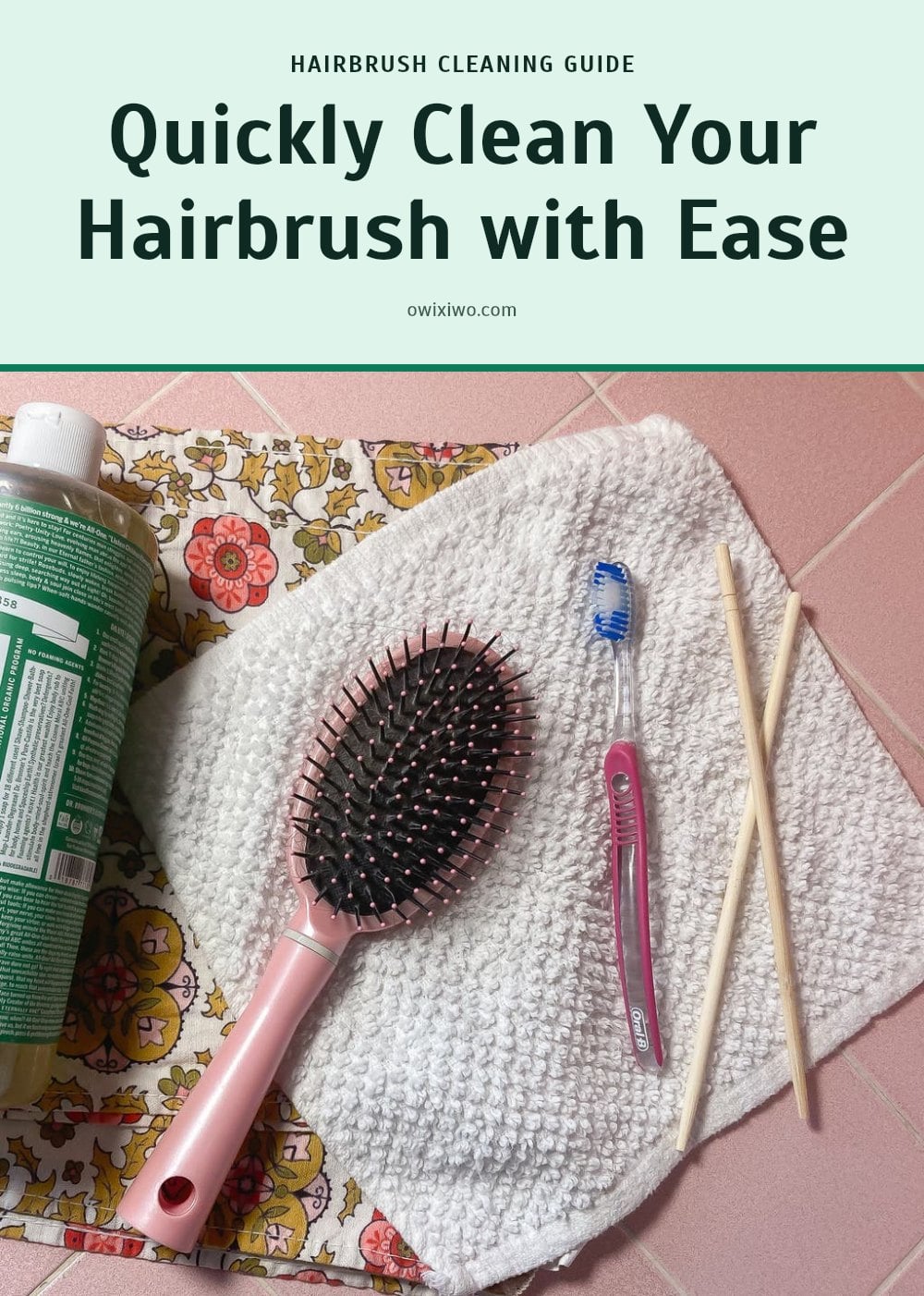
You know that feeling when your hair looks greasy even though you just washed it? Your brush might be the culprit. A brush full of old hair, product residue, and oil transfers all of that back onto clean hair, leaving it dull and weighed down. Cleaning your brush regularly is a simple habit that makes a real difference for your hair and your brush.
This guide walks you through how to clean any type of hairbrush, from plastic to wood, in just a few minutes of active work.
Courtesy of: nytimes.com
Key Takeaways
- Clean your hairbrush at least once a week, and more often if you use styling products.
- Always remove loose hair before washing; it is the most important step.
- For wooden, cork, or padded brushes, never soak them; wipe or dip only the bristles.
- Air dry brushes completely bristle-side down on a towel before storing.
- Avoid hot water and harsh cleaners that can damage bristles or glue.
Why Cleaning Your Hairbrush Is So Important
Cleaning your hairbrush regularly is non-negotiable for hygiene, hair health, and keeping the brush effective for years. A dirty brush collects hair, product residue, dust, and oils, and all of that transfers back onto your clean hair, leaving it looking dull or greasy. The process is simple: remove loose hair, wash with a gentle cleanser, and let it air dry completely, though delicate brushes need slight tweaks. Aim to clean at least once a week, or more often if you use heavy styling products.
Essential Tools for Hairbrush Cleaning
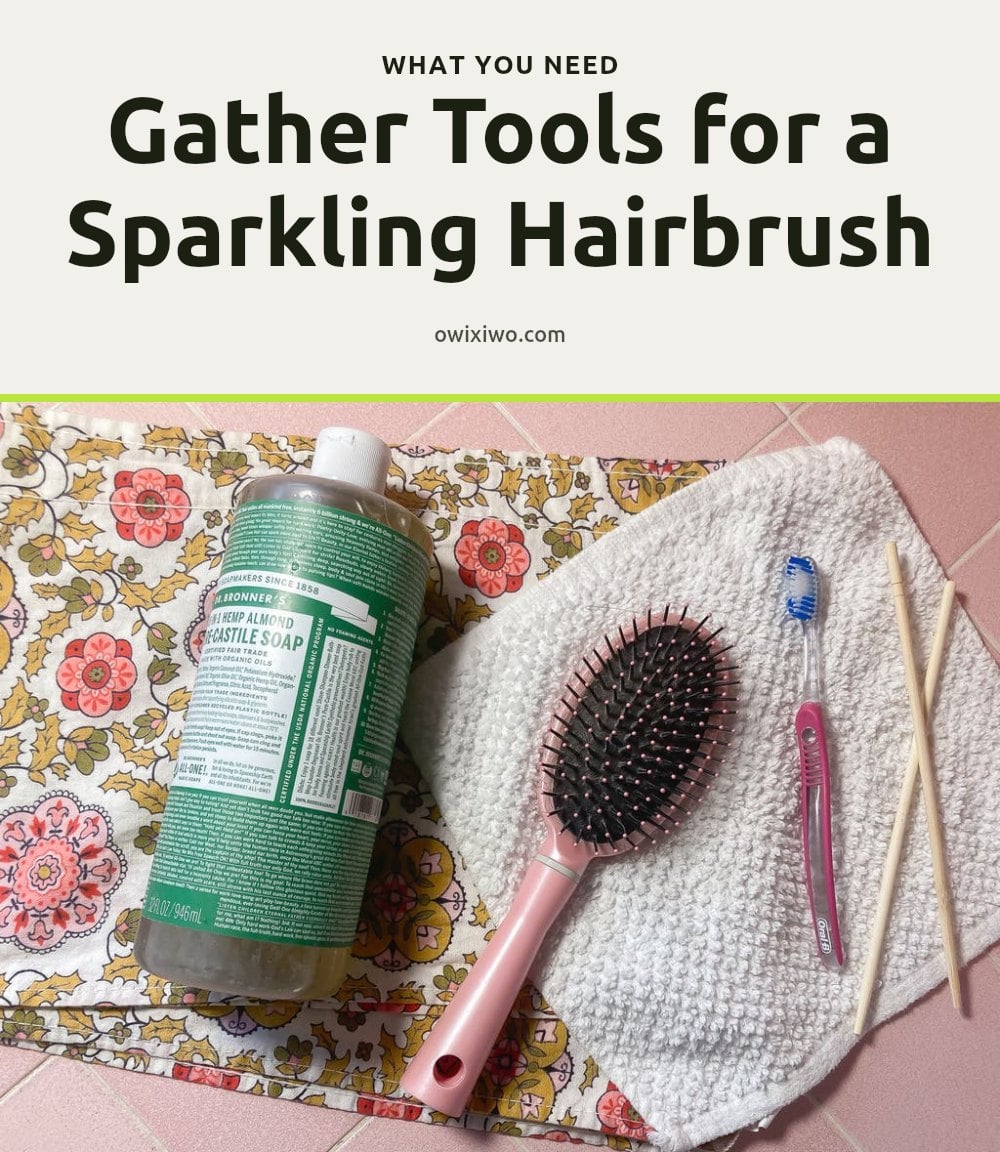
Photo credit: nytimes.com
You don’t need fancy gadgets to get your brushes sparkling clean. Gather these basics:
- Fine-tooth comb or rat-tail comb: Perfect for lifting out tangled hair.
- Mild shampoo or gentle liquid soap: Breaks down oil and product buildup.
- Small bowl or sink: For mixing your cleaning solution.
- Clean towel: Essential for patting brushes dry.
- Old toothbrush or dedicated scrubber: Helps reach between bristles and clean the base.
That’s it. No special sprays or pricey tools required.
Step-by-Step: How to Clean Most Hairbrushes
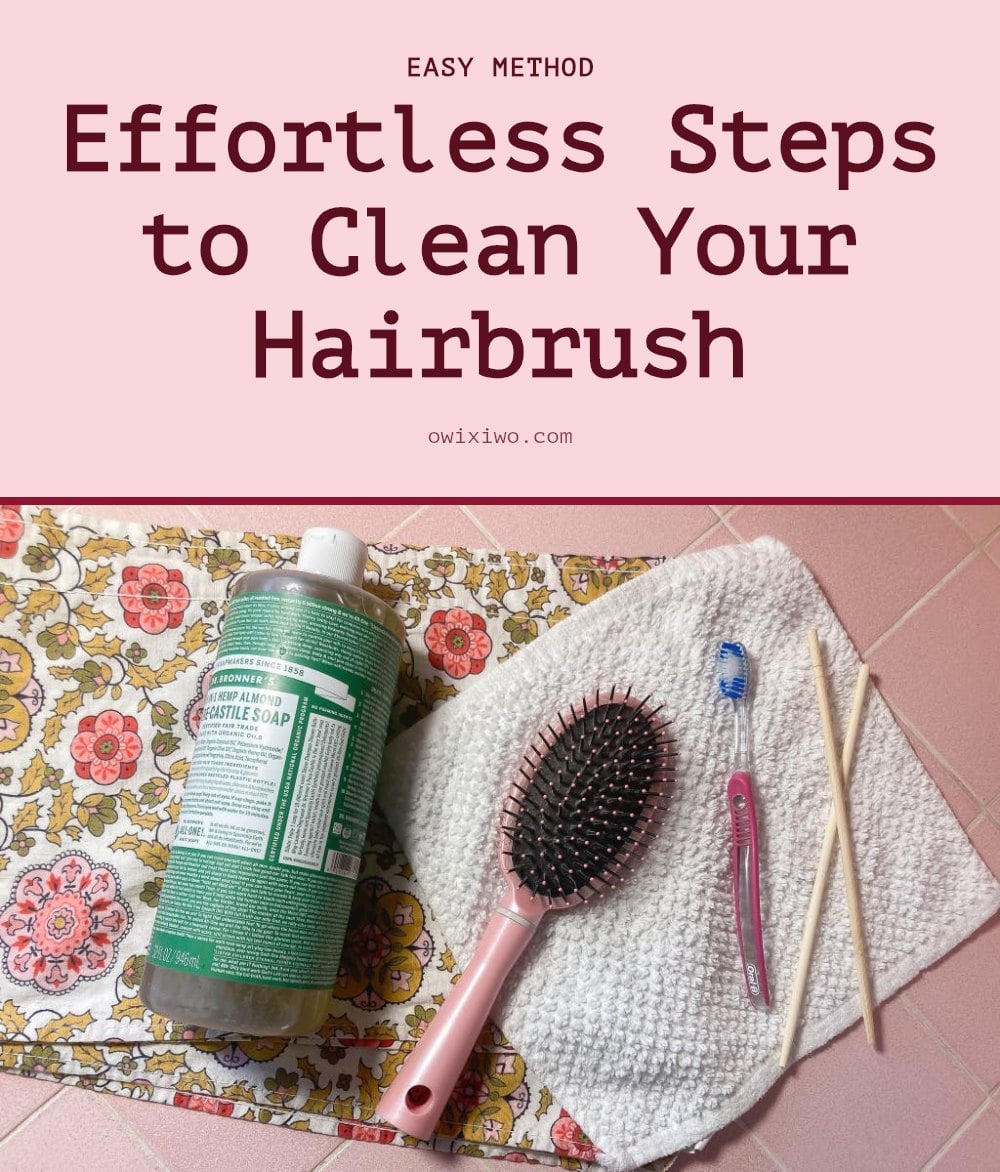
Image credit: nytimes.com
Follow this method for most plastic, metal, or mixed-bristle brushes. It takes about 5 to 15 minutes of active time, plus a few hours to dry.
- Remove loose hair: Use a hair rake, rat-tail comb, or any long, skinny object to lift hair from the bristles. For round brushes with tightly wrapped hair, carefully cut the hair up the middle with scissors, then peel it off.
- Prepare the solution: Fill a bowl or sink with lukewarm water and add shampoo (clarifying or regular) or dish soap. For a deeper clean, a mild soap is sufficient.
- Soak for 3 minutes: Submerge the brush (if it has no wood, cork, or padded base) and let it soak to loosen dirt and product buildup.
- Scrub thoroughly: Use a dedicated toothbrush, an old dish scrubber, or your fingers. Focus on the bristles, the base where they attach, the back of the brush, and the handle. For very dirty brushes, apply soap directly.
- Rinse completely: Rinse under clean running water until all soap and debris are gone. If using a sink, drain the soapy water first, then rinse.
- Dry bristle-side down: Pat the brush with a towel to remove excess moisture, then lay it bristle-side down on a clean towel to air dry completely. This prevents mold and mildew.
If you learn better by watching, this 15-minute video from Kayley Melissa shows every step. The how-to part starts at 2:41.
Special Care for ‘Fancy’ and Wooden Hairbrushes
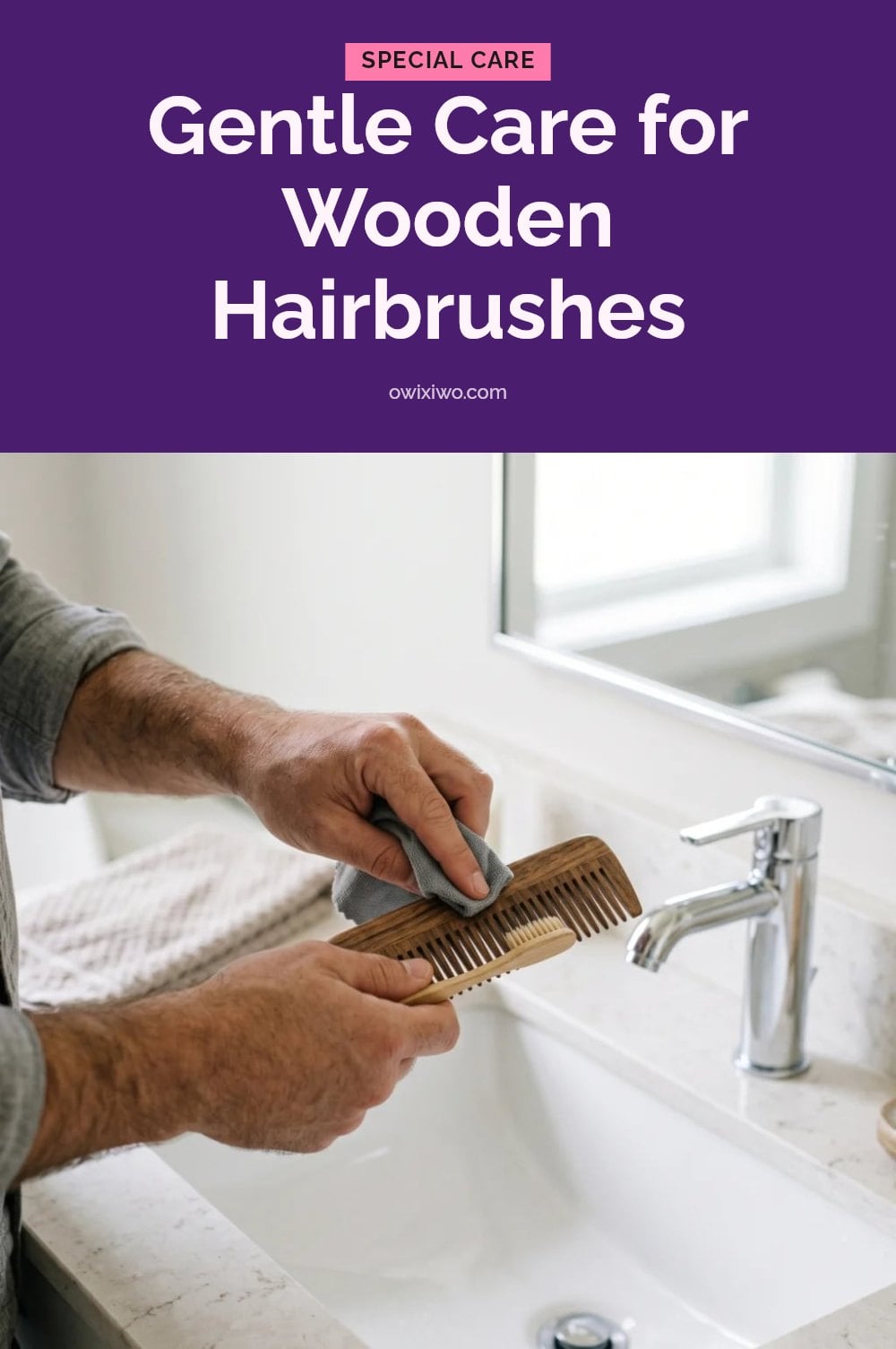
Source: beardbeasts.com
Brushes made of wood, cork, or with padded bases need a gentler touch. Soaking them can damage the materials and the glue that holds everything together.
For most delicate brushes
- Dip only the bristles: Dip just the bristles into the soapy water, not the whole brush. This avoids soaking the base.
- Scrub quickly: Use a dedicated toothbrush or your fingers to clean the bristles for about 30 seconds.
- Rinse gently: Rinse quickly under clean running water, keeping the base and handle dry.
For wooden brushes
Skip soaking entirely. Wipe the brush with a damp cloth to remove buildup, then pat dry. If you prefer a deeper clean, dip only the bristles in soapy water and rinse quickly, but avoid any water on the wood.
Caution: Always pat these brushes dry immediately after any contact with water, then let them air dry completely, bristle-side down on a towel, to prevent moisture damage.
Common Hairbrush Cleaning Mistakes to Avoid
Even with the best intentions, a few common mistakes can undo all your cleaning work. The biggest one is skipping the hair removal step. If you wash a brush still full of tangled strands, the soap and water can’t reach the bristles or the base where the real buildup hides.
Soaking natural bristle brushes or wooden ones is another frequent error. Prolonged submersion warps the wood, loosens the glue, and can ruin natural bristles. Stick to the quick dip method for those.
Rinsing matters more than you think. Leftover soap residue transfers to your hair, leaving it dull or greasy. Rinse until the water runs completely clear. And never store a damp brush. Tucking it away while wet invites mold and mildew, which create odors and can damage the brush over time.
Caution: Very hot water can melt plastic bristles and weaken the glue. Use warm water only.
Pro Tips for Maintaining Your Hairbrush
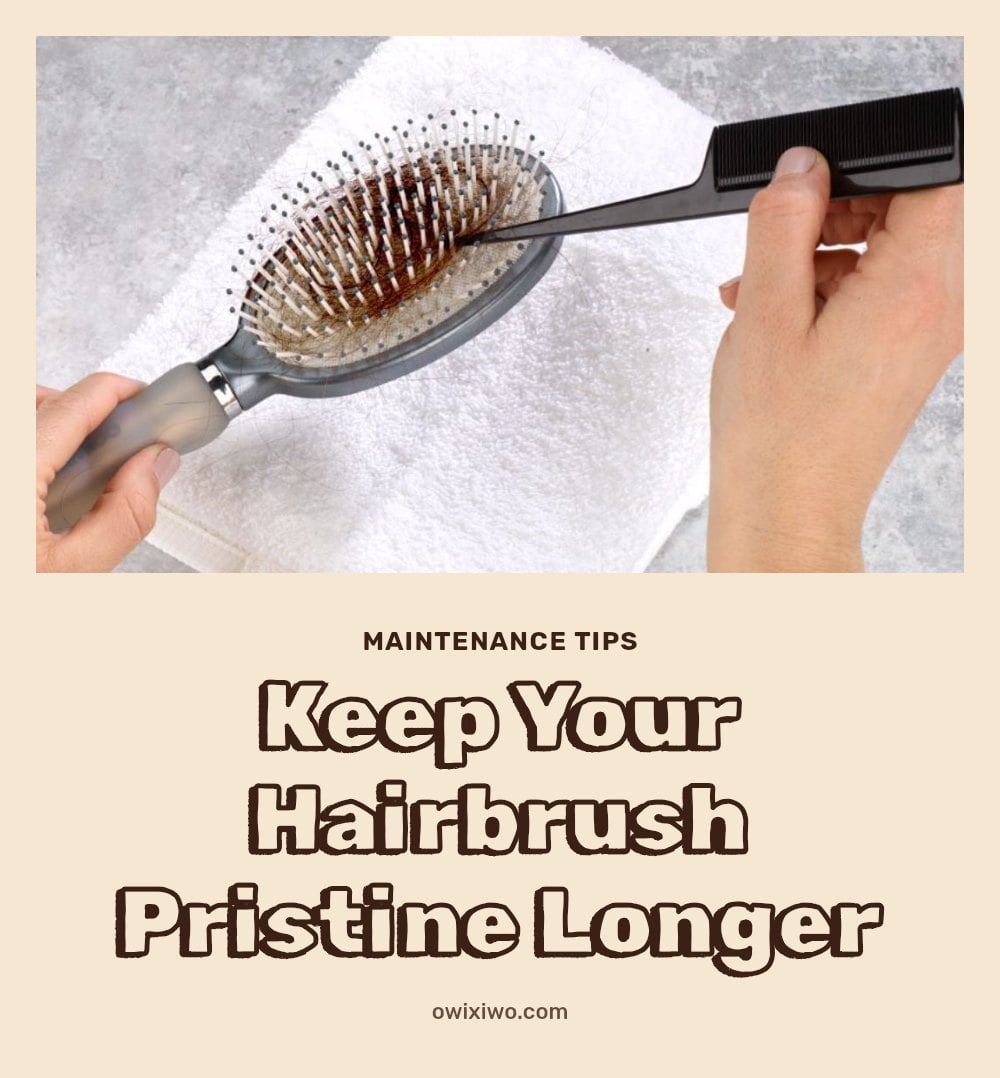
Via herabeauty.sg
Keeping your brushes in top shape between deep cleans is easier than you think. A few small habits make a big difference.
Weekly Hair Removal: Pull out loose hair about once a week to prevent buildup. A hair rake with both wide and small bristles is incredibly effective for this. If you don’t have one, a rat-tail comb or any long, skinny object works too.
Shower Cleaning: If you only own one or two brushes, clean them in the shower while your conditioner sets. The warm water and steam help loosen product residue, and you’re already in the right place.
Lint Pompom Removal: After your brushes are completely dry, use tweezers to pick out any remaining lint pompoms or stubborn debris from the bristles. It’s a satisfying final touch.
Full Coverage Clean: Remember to scrub not just the bristles but also the base, back, and handle. Product buildup collects there too and can transfer back to your hair.
After Cleaning: Proper Storage and Maintenance
Once your brushes are completely dry, store them in a clean, dry place away from humidity. Avoid putting them away in a drawer or enclosed space while still damp, as trapped moisture encourages bacterial growth.
Regularly check your brushes for signs of wear, damage, or persistent odor. If you notice mold or a strong, unpleasant smell that doesn’t go away after cleaning, it’s a clear sign it’s time to replace the brush.
Maintaining your brushes between washes by pulling out loose hair helps keep them effective and hygienic longer. A few seconds each week extends their life and keeps your hair looking its best.
Frequently Asked Questions
How often should I deep clean my hairbrush?
Deep clean your hairbrush at least once a week. If you use a lot of styling products, you may need to clean it more often, such as twice a week, to prevent buildup.
Can I use household cleaners like bleach on my hairbrush?
No, avoid harsh chemicals like bleach. They can damage the bristles and the brush base. Stick to mild shampoo or gentle soap for safe and effective cleaning.
What’s the best way to remove lint from my hairbrush after cleaning?
After the brush is completely dry, use tweezers to pick out any remaining lint or debris from the bristles. This step is optional but helps keep the brush fresh.
My hairbrush smells musty after cleaning, what went wrong?
A musty smell usually means the brush was not dried completely before storage. Always air dry bristle-side down on a towel and ensure it is fully dry before putting it away. If the smell persists, it is best to replace the brush.
Is it okay to share hairbrushes after cleaning them?
It is generally not recommended to share hairbrushes, even after cleaning, as it can transfer oils, skin cells, and potential infections. It is best to use your own brush.
Final Thoughts
My tip: pick a regular day each week to clean your brushes, and the habit will stick. Expect the whole process to take about 5 to 15 minutes of active cleaning, plus a few hours for air drying. You will notice your hair feels cleaner and your brush works better when you stay consistent. A clean brush is a small investment that pays off every day.
-

 Makeup Trends2 years ago
29 Harley Quinn Makeup Ideas: Iconic Looks for Every Occasion
-

 Hairstyle2 years ago
Round Face Haircuts Ideas 2025: 29 Flattering Styles to Try
-

 Hairstyle2 years ago
25 90s Layered Hair Ideas to Inspire Your 2025 Look
-

 Fashion2 years ago
27 Every Day Spring Outfits Inspiration for 2025
-

 Hairstyle2 years ago
29 Long Layered Haircuts Ideas for 2025
-

 Hairstyle2 years ago
64 Fall Hair Color Trends to Elevate Your Style in 2024
-

 Hairstyle2 years ago
Choppy Bob Haircuts 2025: 29 Stylish Ideas
-

 Hairstyle2 years ago
27 Medium Length Haircut with Layers Ideas for 2025